How Dust and Allergens Build Up in Window Treatments
Local contractors can help remove dust and allergens that build up in window treatments, improving indoor air quality and making your home healthier and cleaner.
If you’ve ever wondered how dust and allergens build up in window treatments, you’re not alone. Over time, these often-overlooked surfaces can trap airborne particles, pet dander, pollen, and other irritants, making your indoor environment less healthy and more difficult to maintain. Property owners in the area might find it especially helpful to understand this process, as regular cleaning can improve air quality and extend the lifespan of curtains, blinds, and shades. By learning about how dust and allergens accumulate, you can take practical steps to keep your window treatments cleaner and healthier.
Fortunately, there are local service providers who specialize in removing dust and allergens from window treatments, helping to create a fresher, more comfortable living space. These professionals have the tools and expertise to tackle buildup that can be hard to reach with everyday cleaning routines. Exploring how dust and allergens build up in window treatments can highlight the benefits of professional cleaning services, ensuring your window coverings remain free of irritants and look their best. Keep reading to discover more about this common issue and how local contractors can assist in maintaining a cleaner, healthier home environment.
- Homeowners noticing increased dust and allergens in their window treatments may seek out local contractors who specialize in thorough cleaning to improve indoor air quality. - When window treatments become visibly dusty or stained, local service providers can effectively remove buildup and allergens that accumulate over time. - Individuals with allergies or respiratory sensitivities often look for local pros to help reduce dust and allergen buildup in window coverings for a healthier living environment. - After seasons of neglect or exposure to dust, local contractors can provide deep cleaning services to eliminate allergens trapped in fabric or blinds. - People preparing to sell or move into a new home may contact local pros for comprehensive cleaning to ensure window treatments are free of dust and allergens.

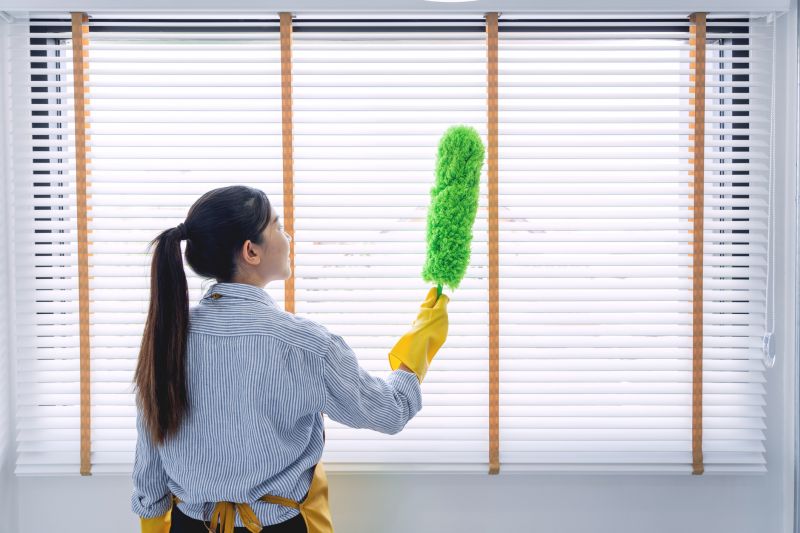
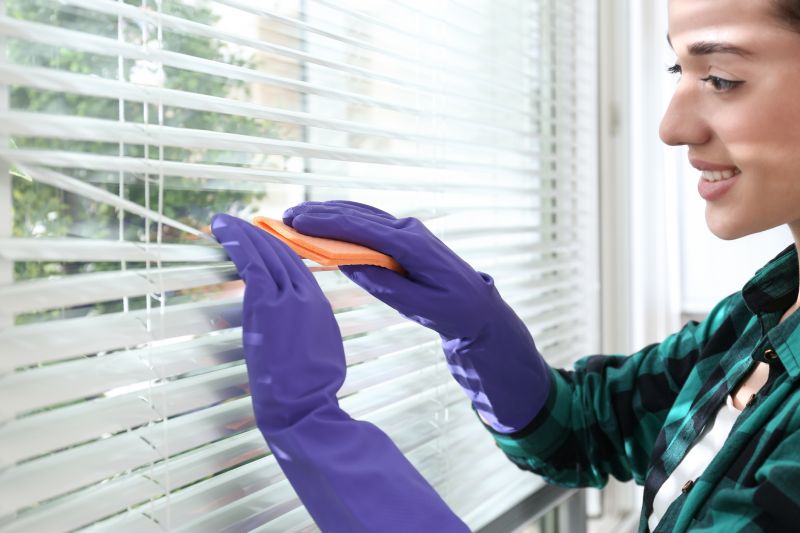
When people search for how dust and allergens build up in window treatments, they are often concerned about indoor air quality and the cleanliness of their living spaces. Over time, window coverings such as blinds, shutters, curtains, and drapes can accumulate a significant amount of dust, pet dander, pollen, and other airborne particles. This buildup not only makes window treatments look dull and dirty but also contributes to poor air quality, especially for individuals with allergies or respiratory sensitivities. Homeowners typically want to understand how these particles settle and what factors influence their accumulation, so they can maintain a healthier environment.
This topic is closely related to ongoing maintenance and cleaning plans for homes, particularly in properties where residents experience allergy symptoms or asthma. Dust and allergens trapped in window treatments can circulate in the air whenever the coverings are moved or disturbed, exacerbating allergy symptoms and causing discomfort. Many property owners consider regular cleaning routines or professional cleaning services as part of their efforts to improve indoor air quality. Deciding when and how to clean window treatments becomes a key part of these plans, especially in homes where dust buildup is more rapid due to factors like pets, smoking, or high indoor activity levels.
The types of properties that frequently come up in discussions about dust and allergen buildup include apartments, condos, single-family homes, and commercial spaces with large windows or extensive window coverings. Homes with large or multiple windows tend to have more surface area for dust to settle, making regular cleaning essential. Additionally, properties in areas with high pollen counts or pollution may experience faster accumulation of airborne particles in window treatments. These environments often prompt homeowners to seek professional services to ensure thorough cleaning, since dust and allergen removal can be challenging to do effectively with DIY methods.
Local pros who specialize in dust and allergen window treatment cleaning play a vital role in helping property owners address these issues. They offer expert cleaning solutions designed to remove accumulated dust, pet dander, pollen, and other allergens that settle on window coverings over time. By utilizing specialized tools and techniques, these service providers can reach difficult areas and ensure a deep clean that improves both the appearance of window treatments and indoor air quality. Connecting with experienced local contractors allows homeowners to find tailored cleaning options that fit their specific property types and allergen concerns, supporting a healthier and cleaner living environment.
Air duct cleaning services involve removing dust and debris from ventilation systems, similar to cleaning dust buildup in window treatments to improve indoor air quality.
Upholstery and drapery cleaning services address dust and allergens that settle on fabric surfaces, paralleling the cleaning needs of window treatments to reduce allergen accumulation.
Blinds and shutter cleaning requires specialized tools and planning to effectively remove dust, making it related to the techniques used in cleaning window treatments.
Carpet and rug cleaning involves deep cleaning methods that can also be applied to remove embedded dust and allergens from fabric window coverings.
HVAC filter replacement helps control dust circulation, complementing efforts to prevent dust buildup in window treatments and improve indoor air quality.
Home inspection services identify areas where dust and allergens accumulate, providing insights similar to those gained from understanding how dust builds up in window treatments.

When comparing service providers for dust and allergen window treatment cleaning, it is important to consider their experience with similar projects. Homeowners should seek out local contractors who have a proven track record of handling window treatments and related cleaning tasks. An experienced professional will understand the nuances of different materials and styles, ensuring that the cleaning methods used effectively reduce dust and allergens without damaging delicate fabrics or surfaces. Asking about prior work or requesting references can help gauge a provider’s familiarity with the specific challenges associated with cleaning window treatments to improve indoor air quality.
Clear written expectations are essential when evaluating local pros for dust and allergen buildup in window treatments. Homeowners should look for providers who can offer detailed descriptions of their cleaning process, including what to expect during the service and any preparations needed beforehand. Transparent communication about the scope of work helps prevent misunderstandings and ensures that both parties are aligned on the desired outcome. Service providers who articulate their approach clearly demonstrate professionalism and a commitment to meeting customer needs, making it easier to compare options effectively.
Reputable references and good communication are key factors in choosing the right local contractor for window treatment cleaning. Homeowners are encouraged to seek out reviews or testimonials from previous clients to gain insights into the quality of service and reliability. Effective communication throughout the process-such as prompt responses to questions and clarity about scheduling-also indicates a provider’s dedication to customer satisfaction. These elements help ensure that the chosen professional will deliver a thorough cleaning that addresses dust and allergens buildup, contributing to a healthier indoor environment.
Property owners often search for how dust and allergens build up in window treatments when they are planning practical projects around their homes and businesses. Local pros provide Dust and Allergen Window Treatment Cleaning services for everyday jobs and straightforward project options.


Dust and allergens tend to accumulate in window treatments over time due to everyday activities like opening and closing blinds or curtains, which can stir up particles from surrounding areas. Items such as pet dander, pollen, and household dust settle into fabric and hard surfaces alike, especially in homes where windows are frequently opened or where there’s increased indoor activity. Property owners often notice that these particles can trigger allergies or cause indoor air to feel less fresh, prompting them to seek professional cleaning services to help maintain a healthier living environment.
Many local contractors offer specialized dust and allergen window treatment cleaning services to address these common issues. Regular professional cleaning can help remove built-up dust and allergens, improving indoor air quality and reducing allergy symptoms. Property owners considering this type of service often look for experienced local providers who understand how dust and allergens build up in window treatments and can effectively clean and maintain them. Connecting with trusted service providers can ensure that window treatments stay clean, allergen-free, and contribute to a more comfortable home.
How do dust and allergens accumulate in window treatments? Dust and allergens settle on window treatments through everyday air circulation, especially in areas with higher indoor pollution or pet dander, leading to buildup over time.
Why are window treatments prone to dust and allergen buildup? Window treatments have surfaces that trap airborne particles, and their fabric or material can easily collect dust, pollen, and other allergens if not regularly cleaned.
How can local contractors help reduce dust and allergens in window treatments? Professional cleaning services can thoroughly remove dust, pollen, and other allergens from various types of window treatments, improving indoor air quality.
What types of window treatments are most susceptible to allergen buildup? Fabric blinds, curtains, and soft window coverings tend to trap more dust and allergens compared to hard, smooth surfaces like wood or metal shades.
How often should window treatments be cleaned to prevent allergen buildup? Regular cleaning by local service providers can help maintain cleaner window treatments, with frequency depending on household factors like pets or allergy sensitivities.
Identify areas with high dust accumulation - property owners can assess which window treatments are most exposed to dust and allergens to prioritize cleaning needs with local contractors.
Schedule regular cleaning sessions - setting up routine cleaning with local pros helps prevent the buildup of dust and allergens over time.
Choose appropriate cleaning methods - consulting with local contractors can help determine the best cleaning techniques for different types of window treatments to reduce allergen buildup.
Implement protective measures - property owners might consider dust barriers or treatments that minimize accumulation, with guidance from local service providers.
If you are thinking about how dust and allergens build up in window treatments for a property, this guide is meant to help you understand this topic, the typical project types, and how different options might fit your plans.
When you are ready, you can use the quote form on this page to share a few details about your project. From there, local pros can review the basics and follow up with options that match what you have in mind.